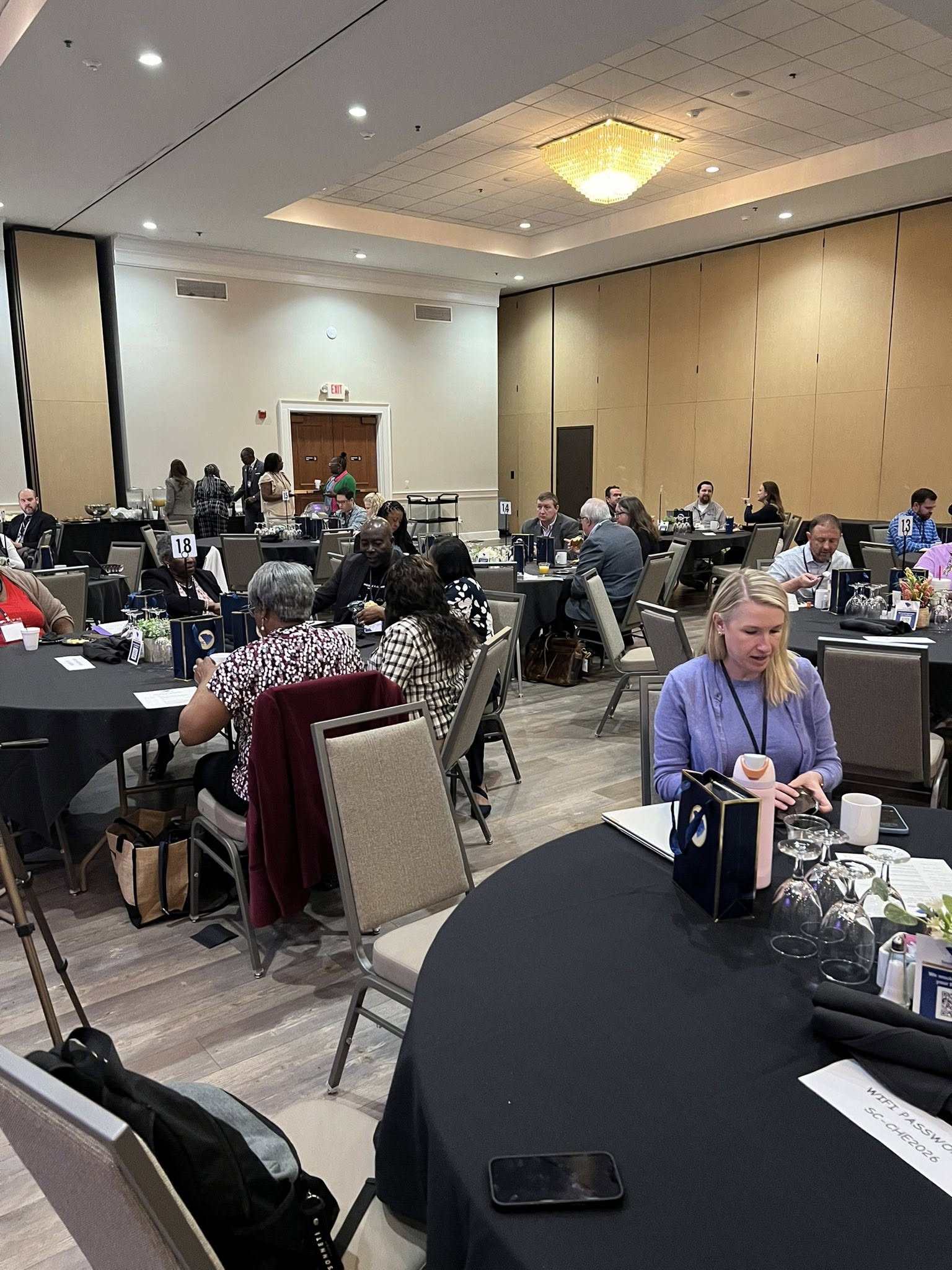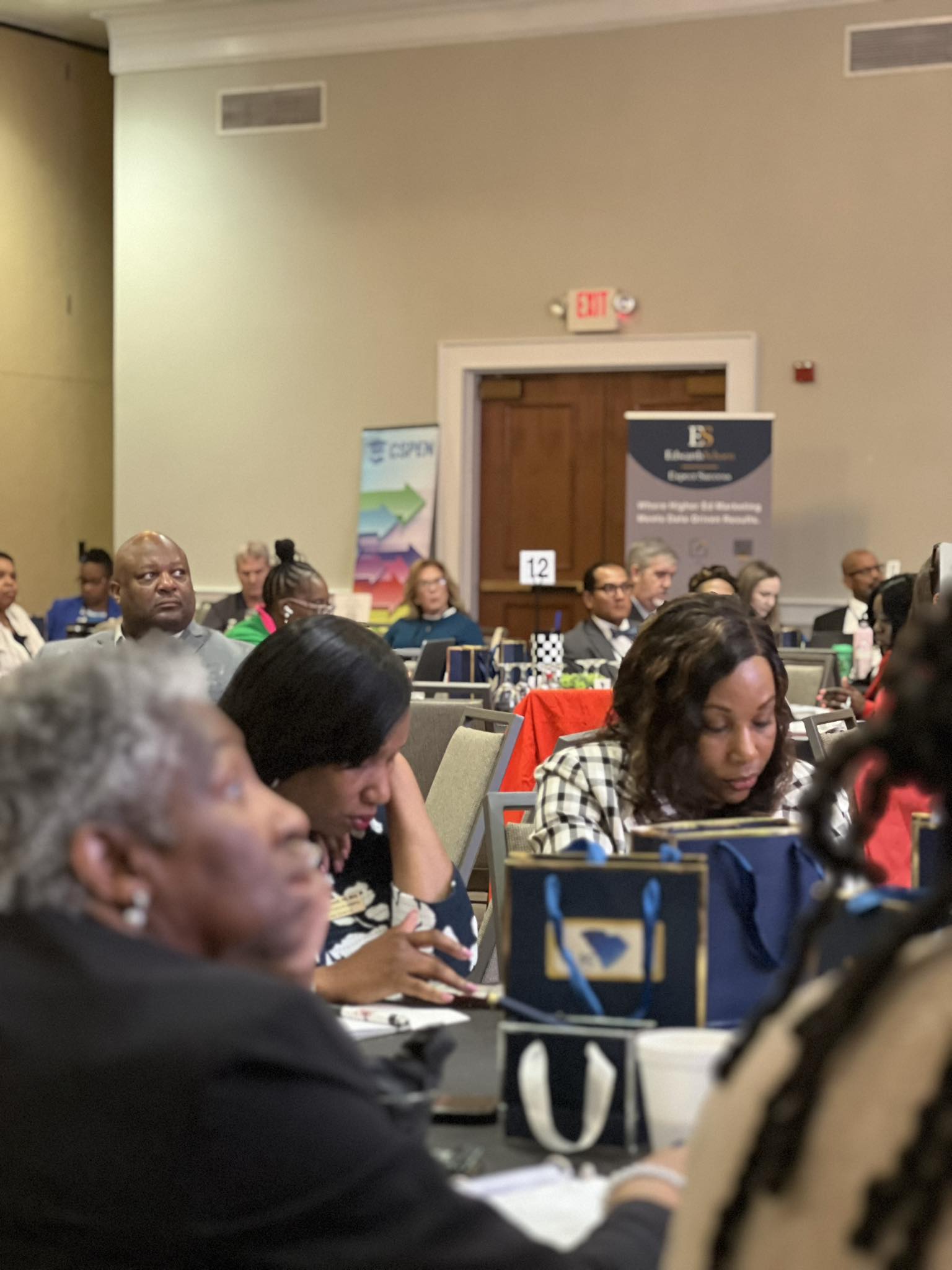
Higher education leaders and policymakers from across South Carolina gathered at the second annual Institutional Leadership and South Carolina State Authorization Reciprocity Agreements (SC-SARA) Forum on April 1 for a full day of discussions on compliance, regulatory changes, workforce alignment, and the evolving landscape of higher education.
Participants at the South Carolina Commission on Higher Education-hosted event in Columbia included SC-SARA member institutions, licensed non-public postsecondary schools, and state and national partners.
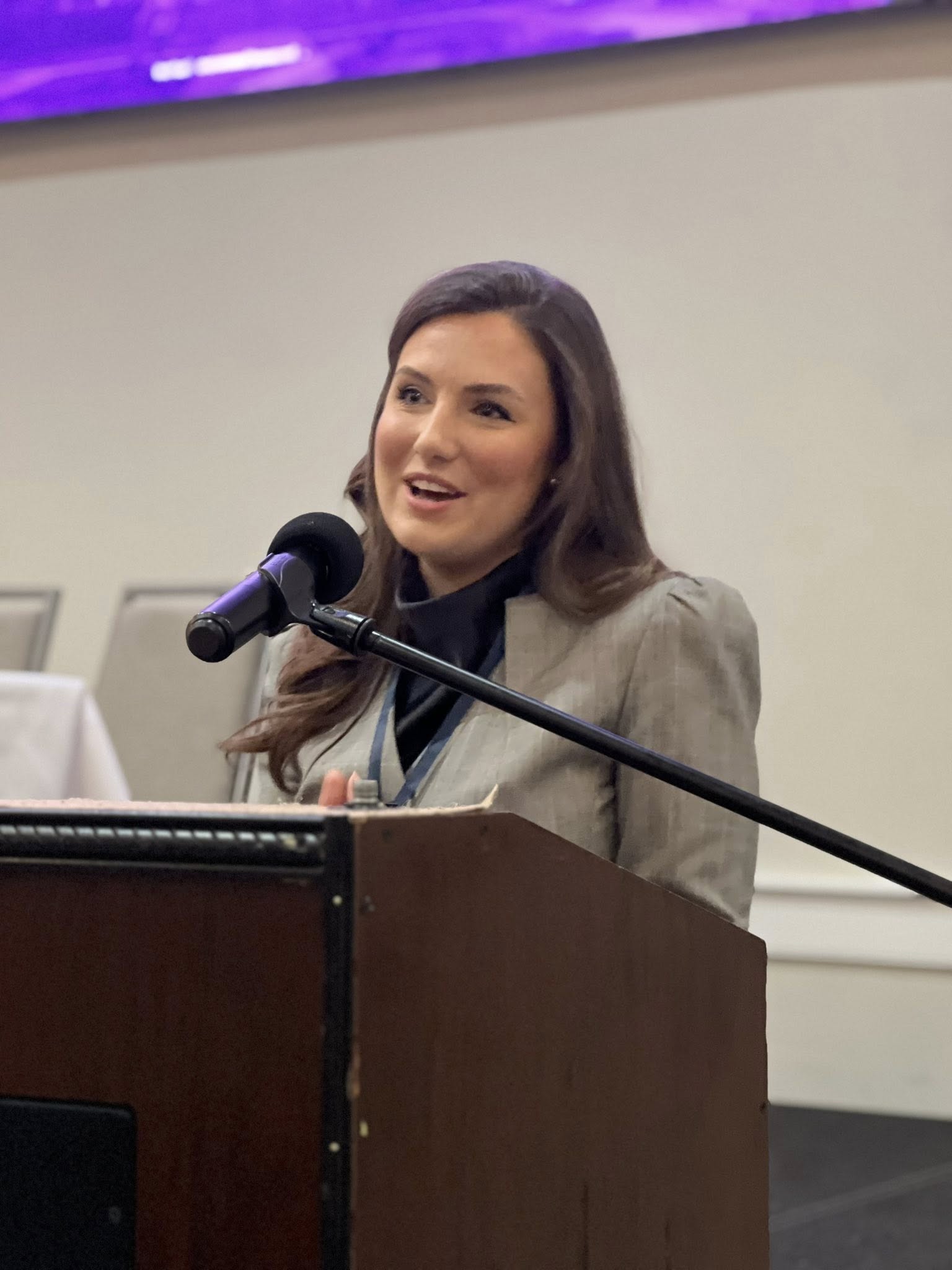
In opening remarks, CHE President and Executive Director Dr. Jeff Perez welcomed attendees and emphasized the importance of collaboration in fostering innovation and student success.
“How often do we get a chance to step away from the ordinary and challenge ourselves?” Perez said. “Growth comes from being surrounded by colleagues from different institutions, with different perspectives, yet united in their commitment to student success.”
Navigating Regulatory Changes
The forum began with a Federal Regulatory Outlook session for 2026 from Hope Watson, associate attorney at Thompson Coburn LLP, who outlined anticipated federal changes and the importance for institutions to remain adaptable to the evolving federal regulatory environment.
“The important thing to remember is that things change on a daily basis,” she said.
Updates from the Southern Regional Education Board (SREB) and National Council for State Authorization Reciprocity Agreements (NC-SARA) provided additional context on regional collaboration, policy alignment, and national participation trends. These sessions equipped institutional leaders with critical information and resources to navigate ongoing changes in higher education oversight.
Fostering Accountability and Excellence
As the forum progressed, discussions shifted toward operational effectiveness and the impact on students. Manda Koss, Chief Revenue Officer at Verif-y, led a session on records retention and management, highlighting the growing need for streamlined, centralized systems to support compliance and student success.
Frank Myers, director of the South Carolina State Approving Agency, led a session on operational and compliance issues for the GI Bill program, highlighting SAA’s role and the responsibilities institutions carry when serving veteran students.
Linking Education to Workforce and Community Impact
The forum also emphasized the connection between education and workforce development. Presentations highlighted state-supported initiatives such as the South Carolina Geriatric Physician Loan Forgiveness Program and the Senior Community Services Employment Program, which address workforce shortages and support services for aging populations.
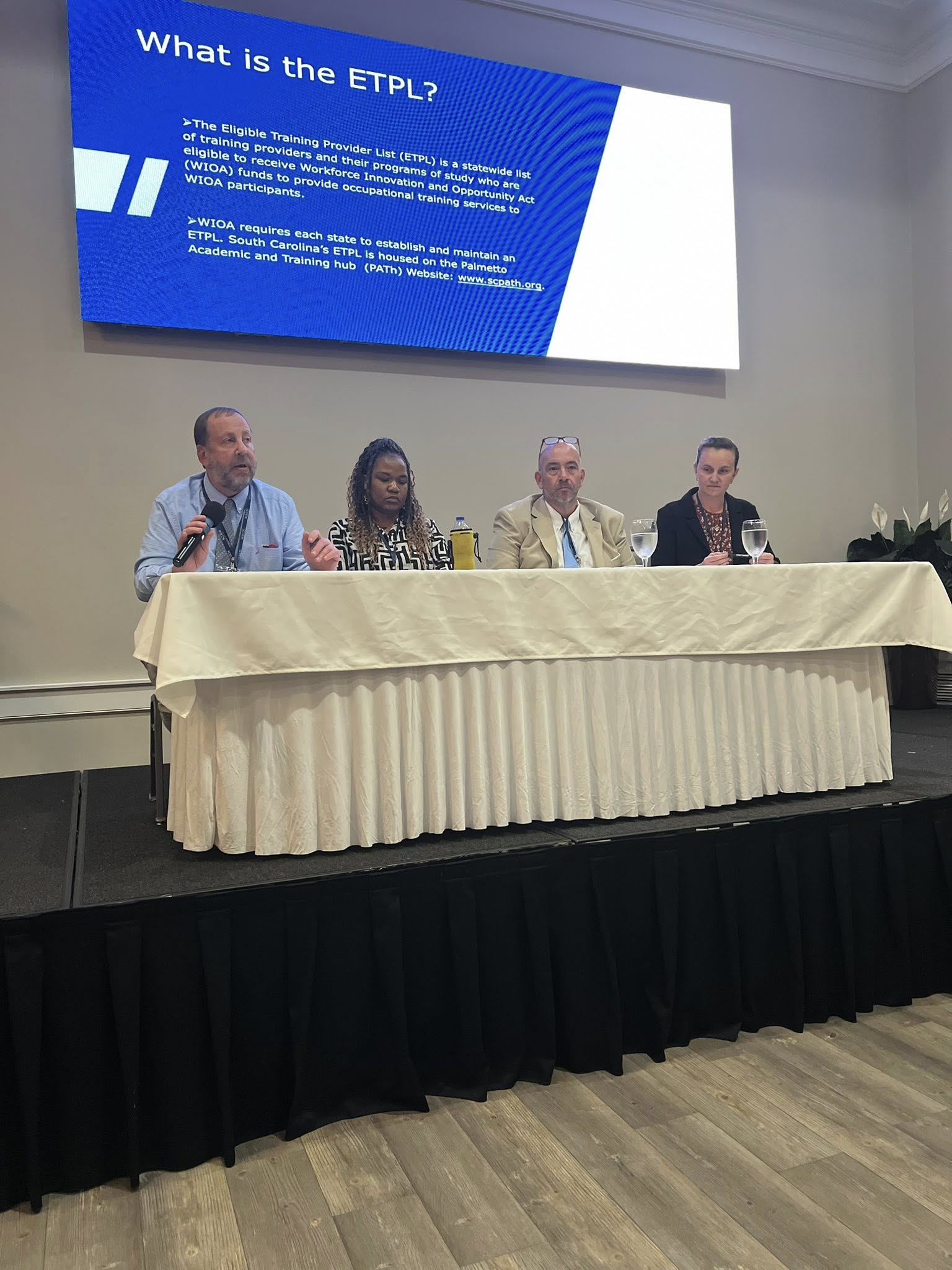
The forum concluded with a multi-agency panel featuring representatives from the South Carolina Department of Employment and Workforce, Vocational Rehabilitation, and the Department of Labor, Licensing and Regulation. The discussion highlighted opportunities for collaboration across agencies to better support students and the alignment of education with workforce needs.
Looking Ahead
As the forum concluded, participants left with actionable insights, strengthened partnerships, and a renewed focus on expanding access and innovation in higher education.
“Our goal today was to exchange ideas, share challenges and emerging trends, and build relationships. We hope that these connections will lead to collaborative efforts in the future,” said Dr. Argentina Anderson, assistant director of Academic Affairs and Licensing at CHE.